
Services
Therapy for…
-
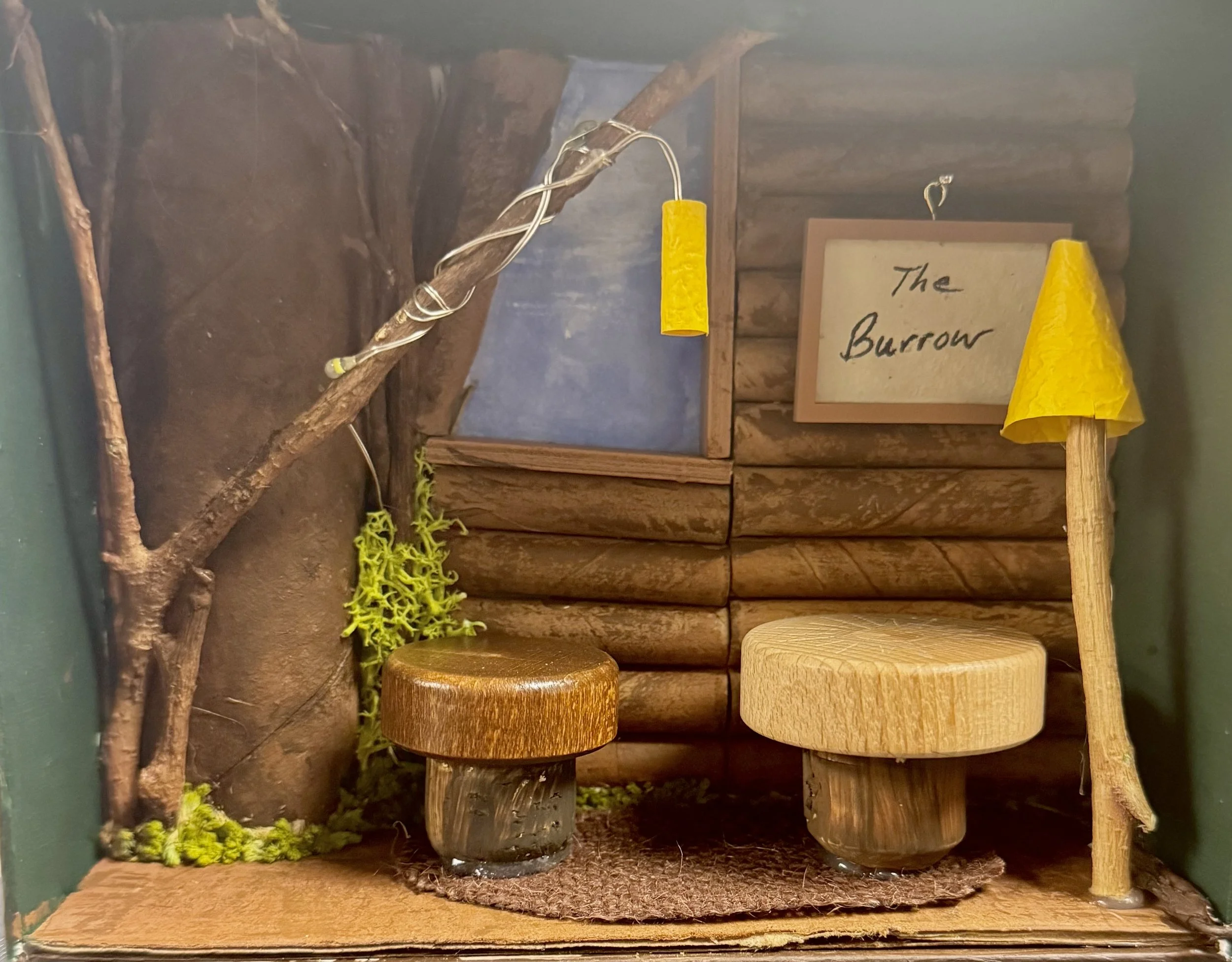
The Burrow House offers compassionate, evidence-based therapy for children ages 3 and older who are struggling with anxiety, depression, tantrums, school refusal, peer relationship issues, and related concerns. Our clinicians create a safe, predictable environment where children and families can heal, develop skills, and reconnect.
Who We Help
Children (3+) experiencing anxiety, separation anxiety, social anxiety, or phobias
Kids showing signs of depression: persistent sadness, loss of interest, changes in sleep or appetite, low energy
Children refusing or avoiding school due to anxiety, bullying, or academic stress
Children struggling to meet demands in school or relationships due to neurodiversity (adhd, autism, etc)
Kids having difficulty making or keeping friends, managing peer conflict, or navigating social skills
Families needing support with behavioral challenges, family conflict, or transitions (divorce, relocation, grief)
Children who have a loved one with substance use or other mental health struggles
Kids who have experienced trauma or abuse
Therapeutic Approaches
Play-based Therapy: age-appropriate, developmentally informed techniques to help younger children express feelings and process experiences
Parent Support & Family Therapy: strategies for consistent routines, limits, and emotion coaching to support child progress at home and school
Trauma-Informed Care: sensitive treatment for children affected by adverse events, with a focus on safety and regulation
Why Families Choose The Burrow House
Experienced clinicians specializing in child and adolescent mental health
Warm, child-friendly therapy spaces designed to reduce anxiety and encourage engagement
Practical, skills-based interventions families can use at home and school
Emphasis on family involvement and collaboration with educators and medical professionals
Flexible scheduling and telehealth options for ongoing support
Signs It’s Time to Seek Help
Persistent worries or fears that interfere with daily activities
Refusal or extreme avoidance of school or social situations
Noticeable changes in mood, sleep, appetite, or energy lasting several weeks
Frequent meltdowns, withdrawal, or aggression out of character for the child
Trouble making or maintaining friendships, or being bullied
Contact The Burrow House for supportive, evidence-based care to help your child thrive.
-
At The Burrow House, we provide a safe, judgment-free space where teens can explore who they are, who they want to be, and build practical skills for everyday life.
Our teen counseling services are tailored to the unique challenges adolescents face including school stress, friendships, identity, anxiety, depression, family conflict, and major life changes.
What we offer
Individual counseling sessions focused on your goals like feeling calmer, improving relationships, managing moods, or navigating transitions.
Family sessions: Short-term and ongoing family work to improve communication, set healthy boundaries, and strengthen trust.
Skill-building: Focused learning on coping strategies, emotional regulation, study and time management, and healthy boundaries with social media and AI.
How we work with teens
We listen first and collaborate on goals that feel relevant and realistic to you.
Where helpful, we teach concrete skills you can use right away — breathing, grounding, CBT-based techniques, problem-solving, and communication skills.
We respect your privacy while also keeping safety and parental involvement appropriate and clear.
In-person sessions in our welcoming space and virtual sessions for convenience and comfort.
Who can benefit
Teens experiencing anxiety, depression, or panic
Those struggling with school, motivation, or peer pressure
Youth navigating identity, sexuality, or gender
Teens coping with grief, family changes, or trauma
Young people wanting better communication with parents or peers
Teens struggling with self-harm or dissociation
Why families choose The Burrow House
Experienced counselors trained in adolescent development
A calm, nonjudgmental environment focused on growth and healing
Collaborative work with families to create sustainable change
To begin, schedule a consultation to talk about what’s going on and how we can help. We’ll work together to make a plan that supports your teen’s well-being, growth, and connection.
-
At The Burrow House, we provide a safe, compassionate environment where adults of all ages can address anxiety, depression, and the long-term effects of complex trauma. Our approach combines evidence-based therapies with a focus on building resilience, self-compassion, and healthier relationships.
Who we help
Adults experiencing persistent worry, panic, or obsessive thoughts.
Individuals coping with prolonged low mood, loss of interest, or difficulty functioning.
Survivors of emotional, physical, or sexual abuse, neglect, attachment wounds, or disrupted caregiving.
People facing relationship challenges, trust issues, or emotional reactivity.
Older adults experiencing difficulty with life transitions or loss of connection.
Therapies and services
Trauma‑informed therapy approaches to reframe trauma-related beliefs and reduce symptoms.
Focused skill building for emotion regulation, distress tolerance, and improved interpersonal effectiveness.
Somatic approaches to address bodily-stored trauma and reconnect mind and body.
Mindfulness-based stress reduction and acceptance and commitment therapy (ACT) skills to reduce anxiety and build psychological flexibility.
Individual therapy tailored to your needs and goals.
Reasons to seek help now
You’re finding daily tasks overwhelming or struggling to maintain work, relationships, or self-care.
Anxiety or depressive symptoms interfere with concentration, sleep, appetite, or motivation.
Flashbacks, nightmares, intense shame, or numbness persist after childhood experiences.
You’re using substances or risky behaviors to cope.
Why The Burrow House
Clinicians trained in trauma-informed, evidence-based care.
A nurturing, nonjudgmental space focused on safety and empowerment.
Integrated approaches recognizing the connection between body, mind, and relationships.
You don’t have to navigate this alone. The Burrow House offers skilled, compassionate care to help you move from survival toward healing, connection, and a more fulfilling life.
-
At The Burrow House, we support parents with compassion, evidence-based tools, and practical coaching to help families reconnect, feel confident, and foster secure attachment that lasts.
What we offer
Attachment-centered parenting support tailored for parents who want to build secure, lasting bonds with their children.
Practical education on responsive caregiving, emotion coaching, and creating routines that support attachment and family well-being.
Family and dyadic sessions when appropriate to strengthen parent-child and co-parent relationships
Who benefits
First-time parents feeling overwhelmed, isolated, or unsure how to respond to infant cues.
Parents noticing a distance or difficulty connecting with their child at any age.
Caregivers managing anxiety, depression, or trauma that affects parenting.
Couples or ex’s aiming to align caregiving approaches and improve co-parenting communication.
Families seeking tools for fostering secure attachment during major transitions (returning to work, new siblings, adoption, blended family changes).
Grandparents struggling to meet the demands of new parenting landscapes as they raise their grandchildren.
People in recovery, hoping to reconnect with their children and make amends for the past.
Approach & techniques
Attachment-based therapy: focus on understanding and responding to a child’s cues to build a secure base.
Emotional responsiveness: teaching parents how to recognize, validate, and label children’s feelings so emotional regulation develops more smoothly.
Reflective parenting: increase parental insight into how their own experiences shape reactions to their child.
Psychoeducation: practical, evidence-informed strategies for soothing, feeding, sleep transitions, and age-appropriate boundaries.
Trauma-informed care: support for parents whose past trauma affects present caregiving, ensuring safety and paced healing.
Common goals we help parents achieve
Increase sensitivity and responsiveness to child cues.
Reduce parental anxiety and increase confidence in caregiving.
Improve parent-child attunement and daily connection routines.
Strengthen co-parenting teamwork and consistent caregiving strategies.
Support healthy emotional development and regulation in children.
Repair and rebuild relationships after stressful periods or developmental setbacks.
Practical details
Sessions offered individually, for couples, or with the child present depending on goals.
Flexible scheduling and telehealth appointments available.
-
Therapy for families with young children and teens: building healthy attachment and communication skills
Why family therapy matters
Early relationships shape emotional development. Secure attachment in childhood supports resilience, self-regulation, and healthy relationships later in life.
As children become adolescents, changing needs and increasing independence can strain family bonds. Guided therapy helps families navigate transitions while preserving connection.
Therapy strengthens caregivers’ ability to respond to children’s needs, reduces behavioral problems, and improves overall family functioning.
Core goals
Build secure attachments between caregivers and children or teens.
Improve everyday communication so feelings, needs, and limits are expressed respectfully and understood.
Reduce conflict, misattunement, and reactive parenting patterns.
Support developmentally appropriate autonomy for teens while maintaining supportive family structure.
Promote emotional regulation and problem-solving skills across the family.
Approaches and techniques commonly used
Attachment-based family therapy: Focuses on repairing ruptures in the caregiver–child bond, increasing caregiver sensitivity, and restoring trust and emotional safety.
Child-Parent Psychotherapy (CPP): Addresses the impact of trauma or stressful events on the parent–child relationship, using relationship-focused interventions to restore secure attachment.
Emotionally Focused Family Therapy (EFFT): Adapts attachment principles for families with adolescents, helping members move from reactive cycles to constructive emotional engagement.
Skills training: Teaching Active Listening, I-Statements, emotion coaching, and collaborative problem-solving for daily conflicts and transitions.
Key skills families learn
Emotion coaching: Recognize and validate children’s feelings, then guide them toward regulation and problem-solving.
Reflective listening: Mirror and summarize what the child or teen expresses to confirm understanding and reduce escalation.
Repair rituals: Short, predictable actions families use after conflicts to restore connection.
Predictable routines and clear limits: Combine warmth with consistent boundaries to provide secure structure.
Collaborative problem-solving: Engage children and teens in finding solutions that respect both autonomy and safety.
When to seek family therapy
Persistent behavioral issues or school problems despite consistent parenting efforts.
Frequent, escalating family conflict or communication breakdowns.
Significant life changes (divorce, new caregiver, moves, loss) that disrupt routines and security.
Trauma exposure, grief, or other events affecting a child’s emotions or behavior.
Caregivers feeling stuck, overwhelmed, or unsure how to connect with a child or teen.
Why choose the Burrow House
Training in attachment-informed and developmentally appropriate approaches.
Experience with young children, adolescents, and caregivers.
A collaborative, nonjudgmental stance that centers the family’s strengths.
Concrete, skill-based interventions and a focus on real-life practice.
Comfort working with complex family structures and cultural differences.